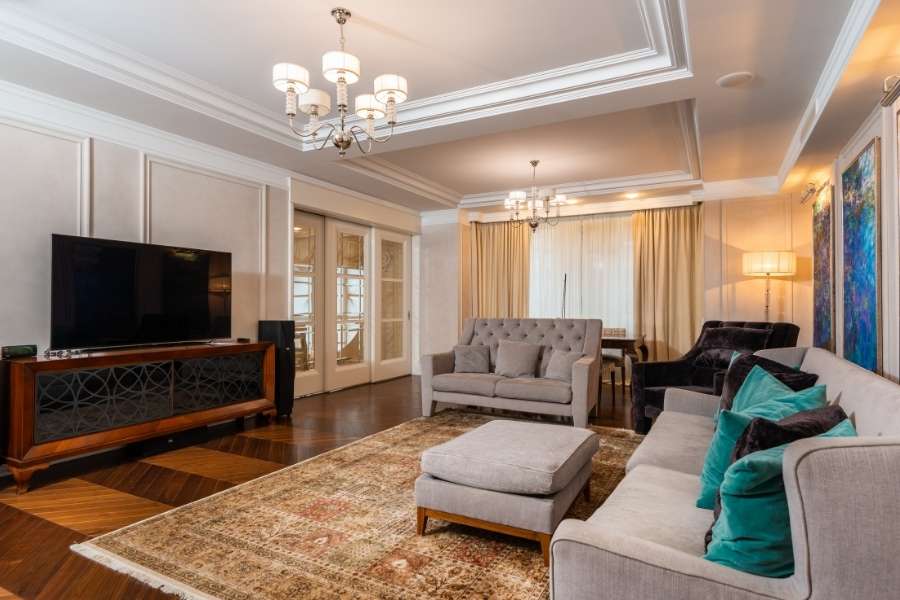
Walking into a room with soaring ceilings can feel like stepping into a grand cathedral. The vast vertical space creates an undeniable sense of freedom, yet it also presents an intimidating decorative challenge. Without thoughtful planning, an expansive overhead expanse easily turns cold, cavernous, and emotionally detached. Great interior design treats volume as an invitation to sculpt with light, drawing the eye upward while tethering warmth back down to human scale. That is precisely why curated chandeliers serve as the undisputed crown jewels of high-ceilinged architecture. They bridge the immense gap between floor and ceiling, transforming sheer emptiness into an awe-inspiring visual symphony.
When you master the art of overhead illumination, an imposing room instantly feels welcoming rather than alienating. Think of high ceilings as an artist’s empty canvas waiting for structural balance. Selecting the right fixture is not simply a matter of picking a pretty ornament out of a catalog. It requires a delicate balance of spatial geometry, functional light output, and architectural harmony. With the right piece anchoring the space, your home gains a signature personality that leaves guests spellbound from the moment they cross the threshold.
Why High Ceilings Demand Purposeful Lighting Design
A lofty ceiling changes how light travels, dissipates, and interacts with surfaces throughout an entire residence. Standard residential lighting often leaves upper wall zones swallowed in shadow, creating an awkward visual disconnect that designers call the cavern effect. To counter this, intentional lighting design balances shadow and luminance across multiple horizontal planes. Many industry specialists, such as the design consultants at lightingconcepts.ie emphasize that tall spaces require dedicated vertical illumination to feel truly balanced. When you hang prominent chandeliers in tall spaces, you actively command the vertical volume. This creates an immediate feeling of luxury and security that smaller, flush-mounted lights simply cannot achieve.
Strategic illumination does far more than help you navigate a dark room at night. It establishes mood, highlights rich architectural textures, and dictates how comfortable people feel lingering in a room. The American Lighting Association emphasizes that high-volume rooms require layered illumination strategies that combine functional downlight with soft uplight to eliminate dark overhead pockets. By approaching your space with a clear lighting plan, you make tall walls feel intentional rather than empty.
The Power of Ambient Illumination in Two-Story Spaces
Grand great rooms and two-story foyers inherently dilute standard light output across hundreds of cubic feet. Relying solely on perimeter spotlights or recessed cans often creates harsh glare on the floor while leaving upper drywall in murky darkness. Integrating multifaceted chandeliers solves this dilemma by casting widespread ambient illumination in every direction. The broad, multidirectional diffusion softens sharp architectural edges, fills empty air pockets, and envelops the entire living zone in an inviting, cohesive glow.
Creating an Unforgettable Interior Focal Point
Every memorable room possesses a distinct anchor that immediately tells the eye where to rest. High ceilings naturally pull sightlines upward, making prominent architectural fixtures essential for establishing a memorable interior focal point. A meticulously scaled fixture acts like suspended art, capturing attention and organizing the surrounding furniture into a cohesive arrangement. Whether your tastes run toward cascading glass globes or sculpted brass geometry, bold chandeliers anchor the entire room with unmatched distinction.
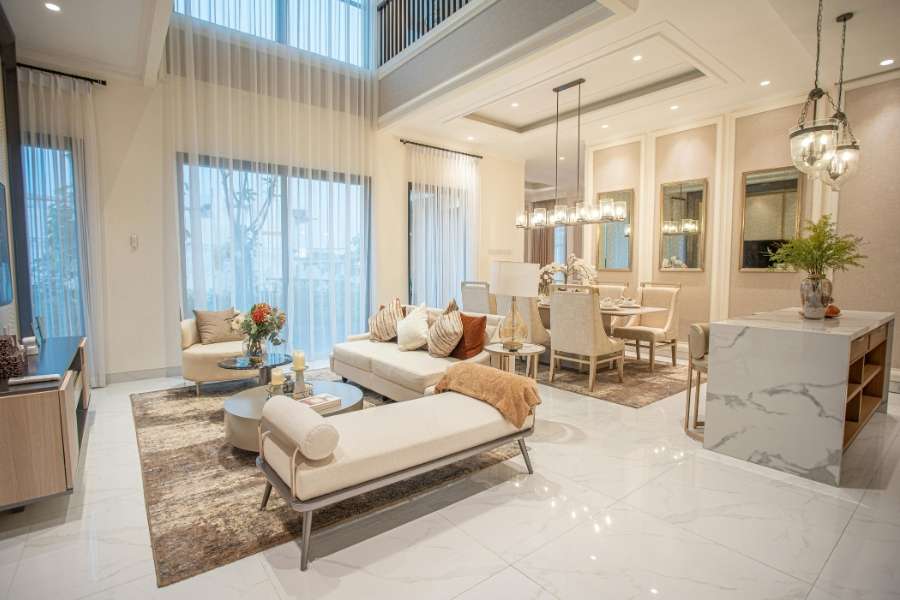
Essential Mathematical Formulas for Sizing Chandeliers
Interior design professionals do not rely on guesswork when selecting light fixtures for majestic spaces; they lean on proven geometric formulas. An undersized fixture will look like a stray floating droplet in an ocean of drywall. Conversely, a light fixture that is excessively bulky can visually crush the room and create sensory overwhelm. Striking proper room proportion requires evaluating the width, length, and total vertical height of your designated area. If you are exploring creative home decoration ideas on a budget, understanding these spatial proportions prevents costly replacement errors while transforming your interior style effectively. Selecting showstopping chandeliers that respect mathematical scale ensures your aesthetic vision remains both breathtaking and architecturally sound.
Mastering these dimensional guidelines ensures your fixture looks natural and deliberate within its environment. Before browsing collections, grab your measuring tape, note down room dimensions, and apply the trusted industry calculations detailed below. These formulas prevent expensive installation mistakes and guarantee that your new showpiece commands attention for all the right reasons.
To determine the ideal diameter in inches, simply add the room length in feet to the room width in feet. For vertical scale, allow 2.5 to 3.0 inches of fixture height for every foot of overall ceiling clearance. As a concrete example, an expansive great room measuring 20 feet by 24 feet with 16-foot ceilings calls for a fixture diameter of approximately 44 inches and a total height between 40 and 48 inches.
Diameter Calculations: Sizing the Footprint to the Room
To calculate the ideal width for overhead fixtures, convert the room’s two-dimensional footprint directly into inches. For an open great room measuring 18 feet wide by 22 feet long, add those measurements together to reach 40. This reveals that substantial chandeliers with a diameter around 40 inches will maintain visual balance without cluttering the perimeter. For expansive living zones featuring double-height ceiling planes, choosing multi-tiered chandeliers ensures the overall volume appears balanced and deliberate from every angle.
Vertical Scale: Adjusting Fixture Height to Ceiling Altitude
While room width dictates the horizontal span, ceiling height dictates the overall vertical profile of your fixture. A standard design guideline suggests allowing 2.5 to 3.0 inches of fixture body height for every single foot of total ceiling height. In a dramatic foyer boasting 20-foot ceilings, you should seek vertical chandeliers measuring between 50 and 60 inches in structural height. Choosing a tall, elongated fixture guarantees that the empty vertical space feels filled and proportionally intentional rather than barren.
Suspension and Placement Rules Across Different Living Zones
Once you have identified the proper dimensions, deciding where and how low to suspend your fixture becomes the primary concern. Suspension height impacts both functional safety and aesthetic harmony. If a light hangs too low, it obstructs views and risks collisions; if it hangs too high, it feels disconnected from the furniture below. Because living areas, dining suites, and grand entry halls serve distinct purposes, hanging guidelines must adapt accordingly.
Taking the time to evaluate line of sight, foot traffic patterns, and seating arrangements guarantees an installation that functions effortlessly every day. Open great rooms typically require at least eight to nine feet of floor clearance to maintain pedestrian passage and unobstructed vistas. In formal dining areas, suspending fixtures 34 to 40 inches above the tabletop protects sightlines while cultivating intimacy. For two-story foyers, positioning the fixture level with or slightly below the second-floor stair landing yields breathtaking arrival views from every perspective.
Hanging Fixtures in Open Living Rooms and Great Rooms
Homeowners frequently ask: what height should a chandelier hang above a living room table? When installing lighting in open lounge environments, always maintain at least eight to nine feet of clearance between the base of the fixture and the finished floor. If the light fixture hangs directly over a low coffee table where no pedestrian walking path exists, you can drop dramatic chandeliers slightly lower to craft an intimate conversation zone. Just ensure the fixture does not block sightlines toward entertainment systems or scenic outdoor window views.
Sizing Fixtures Above the Dining Table
Selecting illumination for elevated dining rooms requires harmonizing with the dining furniture as well as the tall ceilings. If you are researching how to choose the right chandelier size for a dining room, always size the light relative to the table rather than the outer walls. The fixture’s diameter should measure approximately one-half to two-thirds the width of the dining table underneath. To prevent head bumps while preserving personal connection across the table, hang your dining chandeliers 34 to 40 inches above the tabletop surface.
Positioning Lights in Multi-Story Foyers and Stairwells
A double-height entry offers a singular opportunity to create an unforgettable first impression. When selecting lighting for a two-story foyer, align the fixture body so it hangs level with or slightly below the second-floor stair landing. This orientation ensures incoming guests are greeted with breathtaking spectacle upon entering the front door, while family members navigating the upstairs mezzanine enjoy an eye-level view of sparkling details. Installing illuminated chandeliers in lofty foyers unifies the two architectural levels into one seamless design experience.
Frequently Asked Questions
How high should a chandelier hang in a two-story foyer?
In a two-story foyer, position the fixture so that the bottom hangs level with, or slightly below, the second-floor stair landing. This placement guarantees an impressive visual statement from the front entrance while preventing glare when viewed from the upper hallway. Always maintain a minimum floor clearance of nine feet above the entry floor.
Can a chandelier be too heavy for a standard drywall ceiling?
Yes, standard residential ceiling outlet boxes are strictly rated for fixtures weighing 50 pounds or less. If your statement light exceeds this weight limit, your electrician must install a heavy-duty, fan-rated steel junction box or anchor the mounting hardware directly into solid ceiling joists using structural wood blocking.
What is the best way to light a vaulted or sloped high ceiling?
When mounting lights onto sloped or vaulted ceilings, ensure the canopy includes an integrated swivel adapter or sloped-ceiling mounting ball. Choosing fixtures suspended by flexible braided cables or chain links allows gravity to naturally hang the fixture straight down, regardless of the ceiling angle.