

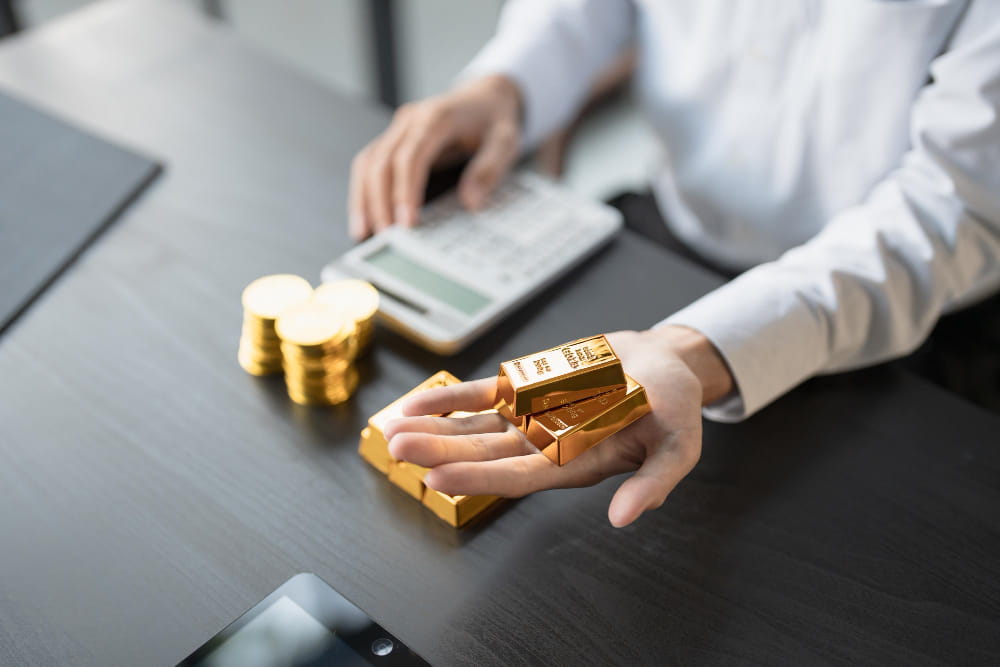
Have you ever looked into the bottom of an old jewelry box and wondered if those tangled, broken chains were sitting on a small fortune? Leaving your items to gather dust means missing out on real liquidity, but walking into a shop blindly is an open invitation to getting shortchanged. Learning how to estimate gold values accurately before negotiating is the ultimate shield against lowball offers. It transforms you from an uninformed seller into a confident market participant who knows exactly what their property is worth.
Getting a fair price does not require a degree in metallurgy or a Wall Street background. It simply takes a systematic approach to identifying what you have, checking the current market metrics, and running a few basic calculations. This comprehensive playbook will guide you through the exact process professionals use, allowing you to secure the maximum financial return for your assets without any guesswork.
Mastering the Purity and Weight of Your Collection
Before you can figure out the financial worth of your items, you must determine their precise composition and mass. Gold is rarely used in its pure state for everyday items because it is naturally soft and highly malleable. Instead, artisans alloy it with tougher metals like copper, silver, or zinc to ensure structural durability and longevity.
To find out exactly what you have, grab a magnifying glass and inspect the surface of your pieces for a tiny stamp known as a jeweler hallmark. This small engraving is your primary clue to decoding the item’s karat purity, which tells you the ratio of pure precious metal to base alloys. If you see a stamp that says 14K or 585, it means your item contains approximately fifty-eight percent pure gold, while an 18K or 750 stamp indicates seventy-five percent pure gold content.
$$\text{Pure Gold Percentage} = \left( \frac{\text{Karat Rating}}{24} \right) \times 100$$
Once you have categorized your pieces by their marks, you need to find their precise mass using a highly accurate digital scale that registers in grams or pennyweights. Standard kitchen scales are too imprecise for this task, so using a specialized pocket scale is highly recommended to avoid costly errors. Make sure you weigh each group of identical purities separately, and remember to subtract the weight of any non-metal elements like large gemstones, crystals, or internal springs before noting down your final numbers.
Tracking Market Rates and Using Online Valuation Tools
To convert your physical measurements into actual dollar amounts, you need to look at what the global market is doing at this exact moment. Raw metal values shift constantly throughout the day based on central bank policies, inflation reports, and macroeconomic trends. Tracking these movements ensures you never walk into a retail shop completely blind.
Deciphering the Global Spot Market
To keep tabs on these daily fluctuations, you should regularly consult a live gold chart from reputable financial tracking platforms like Kitco or Bloomberg. This chart displays the spot price, which represents the current trading value of one troy ounce of pure, twenty-four-karat metal. Because market tickers display prices per troy ounce, you will need to divide that headline figure by 31.1035 to establish the foundational gold price per gram used in consumer transactions.
Knowing how much is the gold price per gram today gives you a solid baseline, keeping you from accepting outdated quotes from buyers who rely on weekly averages. For instance, if the international spot price is hovering around twenty-four hundred dollars per troy ounce, your baseline value sits right around seventy-seven dollars per gram of pure material. Keep in mind that a consumer or liquidator will never pay you this full spot amount, as they must factor in their own refining overhead and operational margins.
Leveraging Automated Calculation Software
If you want to skip the manual division and save time, using a specialized gold calculator online is an incredibly efficient alternative. These web-based applications allow you to input your specific weight and karat purity to instantly generate an objective valuation based on real-time market feeds.
When evaluating your options, look for the best online gold value calculator for scrap that updates its benchmark pricing automatically every few minutes. These digital platforms serve as an incredible reality check, providing an unvarnished view of your items’ raw material value before you ever step foot inside a physical store. Having a printed or digital screenshot of these calculations in your hand gives you massive leverage during face-to-face negotiations with local buyers.
Calculating Your True Cash Out Value at Home
Now it is time to connect all these pieces of information together to find the baseline cash value of your items. This step ensures you know the lowest acceptable offer before speaking with a professional liquidator or refinery representative.
The Math Behind Everyday Jewelry Alloys
Learning how to calculate gold value of 18k jewelry at home is a simple, three-step formula that anyone can master with a basic smartphone calculator. First, take the daily raw gram price derived from the spot market and multiply it by 0.750 to account for the seventy-five percent purity level. Next, take that adjusted purity rate and multiply it by the exact weight of your item in grams to reveal the total worth of the raw metal hidden inside your piece.
18K Valuation Formula Example:
If the raw market rate is $77 per gram, an 18K ring contains ($77 \times 0.750) = $57.75 worth of pure metal per gram. If that ring weighs exactly 10 grams, the raw material inside it is worth precisely $577.50.
This calculation gives you the exact gold scrap value, which is the absolute floor price of your items based solely on melting them down. Scrap value completely ignores artistic design, brand names, or historical significance, focusing entirely on the raw physical commodity. If you are selling broken chains, single earrings, or damaged dental pieces, this scrap figure is the exact number around which your transaction will revolve.
Your Step by Step Guide to Estimate Gold at Home
To make sure you don’t miss a single detail during this process, follow this quick structural checklist before reaching out to any commercial buyers:
- Clean and Inspect: Wipe down your items and use a magnifying glass to locate all official stamps and manufacturer markings.
- Separate by Karat: Group your items into distinct piles based on their purity levels to avoid mixed-weight mathematical errors.
- Weigh Professionally: Use a digital scale calibrated to 0.1 grams to record the weight of each individual purity group.
- Check Live Tickers: Look up the current spot price per troy ounce and divide it by 31.1035 to get your raw gram price.
- Apply the Discounts: Multiply the raw price by your purity percentage, then multiply that by your item’s weight to find your baseline worth.
Navigating the Selling Process Safely and Avoiding Scams
Armed with your independent calculations, you are fully prepared to navigate the competitive marketplace safely. The final step to a successful transaction is selecting an honest buyer who respects your data and offers transparent terms.
When planning your gold resale strategy, avoid temporary buying events at local hotels or untrustworthy mail-in operations that don’t provide transparent, itemized quotes. Instead, seek out established local coin shops, reputable independent jewelers, or specialized refinery buyers who test your items right in front of you. A trustworthy professional will happily explain their verification steps, weigh your items on state-certified scales, and offer a transparent payout percentage that aligns closely with your home estimates.
| Buyer Category | Typical Payout Range | Best Suited For |
| Specialized Refineries | 90% to 95% of scrap value | Large collections and high-weight scrap metal |
| Local Coin and Bullion Shops | 75% to 85% of scrap value | Standard coins, bullion bars, and scrap jewelry |
| Independent Retail Jewelers | 60% to 70% of scrap value | Fine estate pieces with potential resale value |
| Pawnshops and Hotel Buyers | 40% to 60% of scrap value | Urgent liquidity needs only |
Always remember that knowledge is your absolute best protection when dealing in the arena of precious metals. If a buyer’s offer sits significantly below the scrap value you calculated at home, simply thank them for their time, pack up your items, and walk out the door. By treating your transaction like a professional business deal, you ensure that you walk away with the full financial value you deserve, turning old forgotten items into significant capital.
Professional Testing and Finalizing Your Deal
If your home inspection leaves you with any lingering doubts, getting a professional evaluation is the next logical step. Not all markings tell the whole truth, especially on vintage or estate items that may have been repaired or altered over the decades. Understanding the difference between non-destructive testing and invasive verification techniques ensures you maintain absolute control over your assets.
Most local coin shops and jewelry buyers utilize a non-destructive testing method called X-Ray Fluorescence. An X-Ray Fluorescence spectrometer fires a safe, concentrated beam of radiation at your item, reading the excited atoms to provide an exact chemical readout of the item’s metallurgy within seconds. This method is incredibly precise, completely safe for family heirlooms, and leaves no physical marks on your collection.
If a shop does not own an X-Ray spectrometer, they will likely rely on the traditional acid scratch test. The professional rubs your item against a touchstone to leave a tiny streak of metal, then applies varying concentrations of nitric acid to see if the streak dissolves or changes color. While highly accurate for verifying a specific karat purity, make sure the buyer only scratches a hidden area of your piece to preserve its aesthetic appeal and structural integrity.
Documenting the Payout Securely
Once you accept a final offer, the remaining steps involve straightforward administrative record-keeping required by local laws. Reputable businesses must follow strict guidelines to prevent fraud and protect consumer rights.
Every legitimate buyer operating within the market for precious metals is legally required to verify your identity before dispensing funds. You must present a valid, unexpired government-issued photo ID, such as a driver’s license or passport, to finalize the transaction paperwork. The business will log your information alongside an itemized receipt detailing the weights, purities, and exact payouts of the specific items you sold.
This documentation protects both parties and acts as a major deterrent against the trade of illicit goods. If a shop offers to buy your items under the table without checking your identification or providing a receipt, collect your pieces and leave immediately. True professionals maintain meticulous records, ensuring your transaction is completely secure, transparent, and legally compliant.
Final Strategy Checklist for a Successful Gold Sale
To ensure you secure every single dollar you are owed during your liquidating journey, keep this quick tactical summary in mind before signing any final agreements:
- Benchmark Your Value: Never enter a store without knowing your baseline gold scrap value derived from recent market data.
- Verify the Scales: Ensure the buyer’s digital scales are fully visible to you and display official weights in grams or pennyweights.
- Negotiate the Premium: Ask the buyer exactly what percentage under the live spot price they are charging for their transaction fee.
- Keep Your Gemstones: Have a jeweler remove high-value precious stones before selling your items for their raw melt value.
- Be Ready to Walk: If the final offer doesn’t align with your home calculations, remember that you hold the ultimate power to decline.
By treating your collection as a serious financial asset and executing your strategy with patience, you turn an intimidating chore into a highly profitable victory. You have done the math, mastered the formulas, and learned how to identify fair business practices from predatory tactics. Now, all that is left to do is open up that old storage box, run your numbers, and confidently claim the modern cash value hidden inside your forgotten keepsakes.
So, are you ready to see what your jewelry box is hiding, or are you going to let your hard-earned equity gather dust for another decade?
